
Design Thinking for NPD: A Global Career Imperative
In today’s innovation-driven world, Design Thinking is becoming an important part of New Product Development (NPD). Across biotechnology, pharmaceuticals, food technology, beauty, wellness and consumer products, organisations need professionals who can combine creativity with a clear understanding of customer needs.
Why Design Thinking Matters
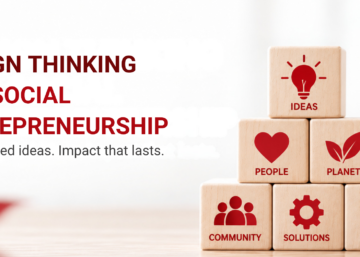
Design Thinking is a human-centred approach to innovation. Instead of developing products only around technical possibilities, it focuses on understanding the real problems and expectations of users.
It helps NPD teams to:
- Understand real customer needs
- Generate better ideas across teams
- Prototype and test concepts quickly
- Improve products using feedback
- Align innovation with market demand
This approach can help bridge the gap between what a company can create and what customers actually need.
Design Thinking Skills for NPD
Professionals involved in product innovation increasingly benefit from skills such as:
- Empathy and observation
- Systems thinking
- Rapid prototyping
- Emotional intelligence
- Cross-functional collaboration
- Commercial awareness
These skills are especially valuable because modern product development often involves R&D, marketing, regulatory, quality, manufacturing and consumer insight teams working together.
Emerging Career Opportunities
Knowledge of Design Thinking can support career paths such as:
- Innovation Strategist
- Design Thinking Facilitator
- Product Development Lead
- UX Researcher
- NPD Consultant
- Consumer Insight Specialist
- Innovation Manager
These opportunities are relevant across sectors such as biotech, pharma, nutraceuticals, healthcare, food technology, wellness and beauty.
Why Science Students Should Learn Design Thinking
Science students often develop strong technical knowledge, but successful product development also requires understanding how that knowledge can solve real-world problems.
Design Thinking encourages students to think beyond the laboratory and consider:
Who is the user? What problem are we solving? How can the idea be tested? Will the solution create real value?
This mindset can help transform scientific knowledge into practical, scalable and market-relevant innovations.
Conclusion
Design Thinking is more than a product development method. It is a mindset that connects science, creativity, customer understanding and commercial thinking.
For students and professionals interested in NPD, developing these skills can support both better innovation and broader career opportunities.
When empathy leads, innovation follows.